The average American adult now spends more than seven hours per day looking at screens. For many, this has become inseparable from work, communication, and daily life. What has changed alongside it is a widespread increase in eye fatigue, reduced contrast sensitivity, and a growing awareness that the retina — one of the most metabolically active tissues in the body — may not be getting the nutritional support it needs from a typical modern diet.
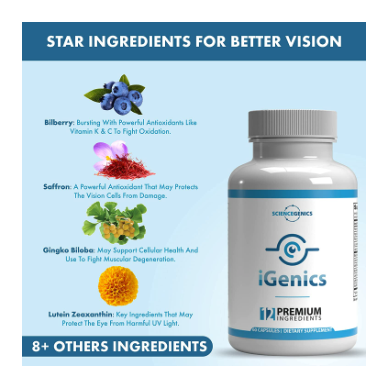
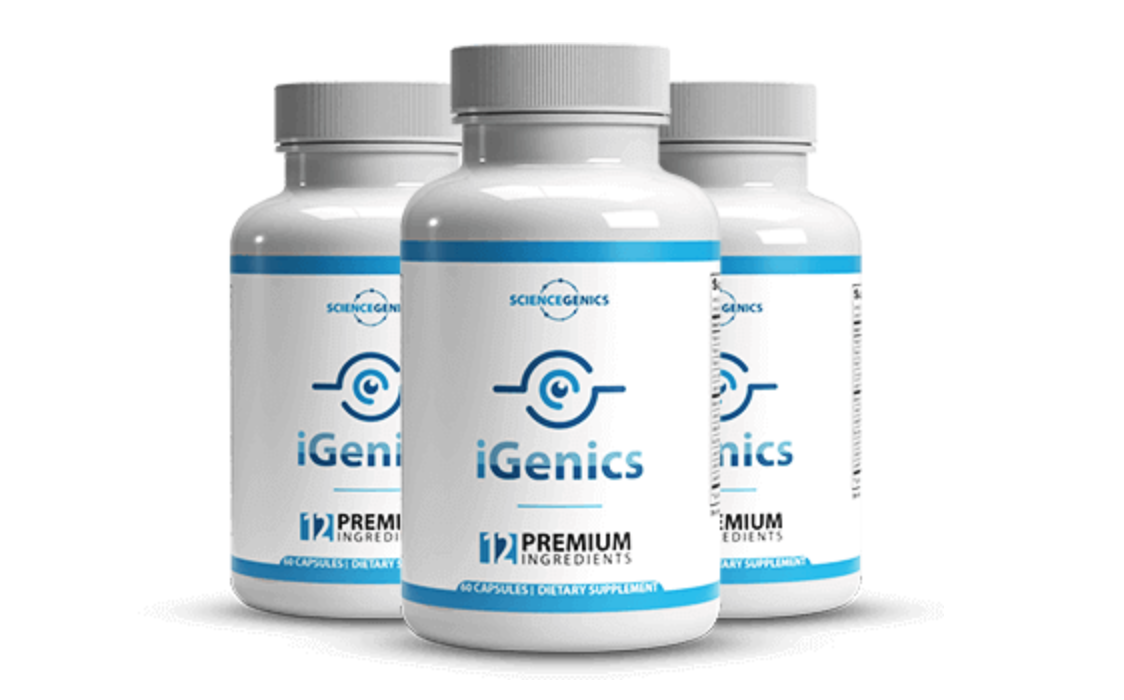
This is the context in which iGenics has gained traction. It is a dietary supplement formulated around lutein, zeaxanthin, and nine other compounds selected for their documented roles in ocular and visual health. The question worth asking clearly: is this a product built on real science, or is it marketing dressed in clinical language?
This review analyzes iGenics through its ingredient profile, clinical evidence base, dosing, and realistic use cases. It is not sponsored by the manufacturer. Affiliate links are present — this means a commission may be earned if you purchase through them, at no additional cost to you.
Ingredients: What the Formula Contains and Why
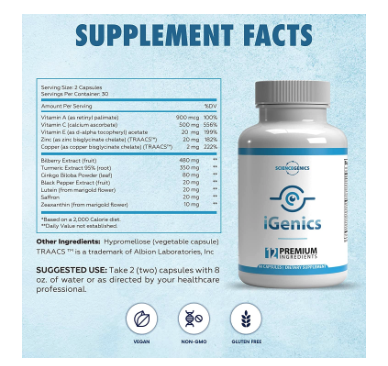
The strength of any supplement rests almost entirely on its ingredient profile — specifically, whether the compounds are relevant to the claimed benefit, whether they are dosed at amounts consistent with research, and whether the formula is transparent. iGenics performs well on all three counts.
The inclusion of copper alongside zinc is a meaningful formulation choice — many cheaper eye supplements include zinc alone without recognizing that high-dose zinc depletes copper stores. Its presence here suggests attention to detail rather than ingredient stacking for marketing purposes.
Who Is This For — and What Are Realistic Expectations
Based on the ingredient profile and available clinical evidence, iGenics is most likely to produce noticeable benefits for four categories of people:
- Desk workers and screen-heavy professionals — those experiencing end-of-day eye fatigue, reduced contrast sensitivity, or dry eye sensation after prolonged computer use. Lutein and zeaxanthin directly address the blue light exposure mechanism.
- Adults over 45 experiencing early signs of visual decline — night vision reduction, difficulty with fast transitions between light and dark environments, or reduced reading comfort. Bilberry, saffron, and the AREDS2-aligned mineral profile are most relevant here.
- People with family history of macular degeneration who want a preventive nutritional approach. The AREDS2 evidence base is most relevant for this group.
- Athletes and individuals with high oxidative stress loads — the antioxidant profile provides broader protective benefits beyond vision alone.
What iGenics Is Not
- It is not a treatment for diagnosed eye conditions — it does not replace clinical care for AMD, glaucoma, or cataracts.
- It is not a correction tool — it will not reduce diopters or replace prescription lenses.
- It is not fast-acting — macular carotenoids like lutein and zeaxanthin require 4–12 weeks of consistent use before reaching saturation levels in retinal tissue.
I spend over 10 hours daily on the computer. After three weeks my eyes no longer burned at the end of the day. The dryness and occasional blurring I'd accepted as normal have significantly reduced. I was skeptical — I'm no longer skeptical.
How iGenics Compares to the Category
| Supplement | Lutein/Zeax. | Bilberry | Saffron | AREDS2 Alignment | Guarantee |
|---|---|---|---|---|---|
| Bausch + Lomb PreserVision | 10/2 mg | No | No | Full | None |
| Ocuvite by Bausch | 10 mg | No | No | Partial | Retailer only |
| MacuHealth | 10/10 mg | No | No | Full | 30 days |
| iGenics | 20/10 mg | 480 mg | 20 mg | Full + Extended | 180 days |
iGenics carries a higher lutein dose than all three mainstream competitors, adds bilberry and saffron (absent from pharmacy brands), and backs the formula with the most generous guarantee in the category. For the premium segment it targets, the value proposition is defensible.
Manufacturing and Quality Standards
iGenics is produced in an FDA-registered, GMP-certified facility in the United States. The formula uses full-disclosure labeling — all ingredient amounts are listed, with no proprietary blends that obscure dosing. The product is non-GMO, vegan-compatible, and free from common fillers and artificial additives. Third-party testing for purity and potency is declared by the manufacturer.